Introduction
Energy work is an effective healing practice that has actually been utilized for centuries to promote physical, psychological, and spiritual well-being. By funneling and controling energy, practitioners are able to bring back balance and consistency within the body, mind, and spirit. In this post, we will explore the art of energy work, including techniques such as reiki hand positions, reiki symbols, the history of reiki, different levels of reiki training, along with the wider concept of energy recovery and how it can benefit individuals.
The Art of Energy Work: How to Channel and Manipulate Energy for Healing
Energy work includes using the universal life force energy that surrounds all of us. This energy can be directed to particular areas of the body or used to promote total well-being. By comprehending how to direct and manipulate this energy, professionals are able to assist in healing on numerous levels.
Reiki Hand Positions: Directing Energy with Precision
Reiki is a popular type of energy work that includes making use of particular hand positions to direct recovery energy. These hand positions represent various areas of the body and are used to promote relaxation, minimize discomfort, and bring back balance. Some common reiki hand positions consist of:
Head Position: Placing hands on the crown of the head can help calm the mind and release mental stress. Heart Position: Putting turn over the heart can promote emotional healing and open up obstructed energy in this area. Stomach Position: Positioning turn over the stomach can help food digestion and assistance general gut health.By using these specific hand positions, reiki practitioners have the ability to target energy flow to particular locations in need of healing.
Reiki Symbols: Unlocking Much Deeper Recovery Potential
Reiki symbols are spiritual tools utilized by practitioners to enhance their ability to channel and manipulate energy. These signs are derived from ancient Japanese kanji characters and hold specific meanings and intents. Some common reiki signs include:
Cho Ku Rei: This symbol is utilized to magnify the flow of energy and increase its effectiveness. Sei He Ki: This sign is utilized to promote emotional healing and balance the mind. Hon Sha Ze Sho Nen: This symbol is utilized for distance recovery, enabling professionals to send out energy throughout time and space.By incorporating these signs into their practice, reiki specialists are able to access deeper levels of healing potential.
Reiki History: Tracing the Origins of Energy Healing
The history of reiki go back to the early 20th century in Japan. It was established by Mikao Usui, a Japanese Buddhist monk who sought to comprehend the ancient recovery practices of his forefathers. Usui went through a spiritual awakening on Mount Kurama, where he got the understanding and capability to channel recovery energy.
Since then, reiki has actually spread out throughout the world, progressing into different family trees and variations. Today, it is recognized as a trusted form of energy recovery that promotes holistic wellness.
Reiki Energy: Comprehending the Flow of Life Force
Reiki energy, also known as life force energy or qi, is the fundamental foundation of all living things. It streams through meridians or energy paths within the body, supporting physical, emotional, and spiritual health. When this energy becomes imbalanced or obstructed, it can cause illness and dis-ease.
The goal of reiki and other forms of energy work is to restore the natural circulation of this life force energy, promoting health and well-being on multiple levels.
Reiki Level 1: Initiating the Journey
Reiki training generally includes numerous levels of attunement, with each level providing specialists with brand-new knowledge and capabilities. Reiki Level 1, also referred to as the "First Degree," is the initiation into the practice of energy healing.
During this level of training, students find out the basic hand positions, symbols, and methods required to perform reiki on themselves and others. It is a foundational level that sets the phase for further exploration and growth in the world of energy work.
Reiki Level 2: Deepening the Connection
Reiki Level 2, also known as the "Second Degree," builds on the structure established in Level 1. At this phase, professionals learn extra symbols and strategies to improve their ability to channel and control energy.
One of the crucial aspects of Level 2 training is the concentrate on range healing. Specialists are taught how to send out reiki energy across time and space, enabling them to provide healing assistance to people who are not physically present.
Energy Healing: Going Beyond Reiki
While reiki is a widely acknowledged kind of energy healing, it is simply one aspect of Reiki Hand Positions a broader field. Energy healing encompasses numerous techniques that all share a typical objective-- bring back balance and harmony within the body, mind, and spirit.
Some popular forms of energy recovery consist of:
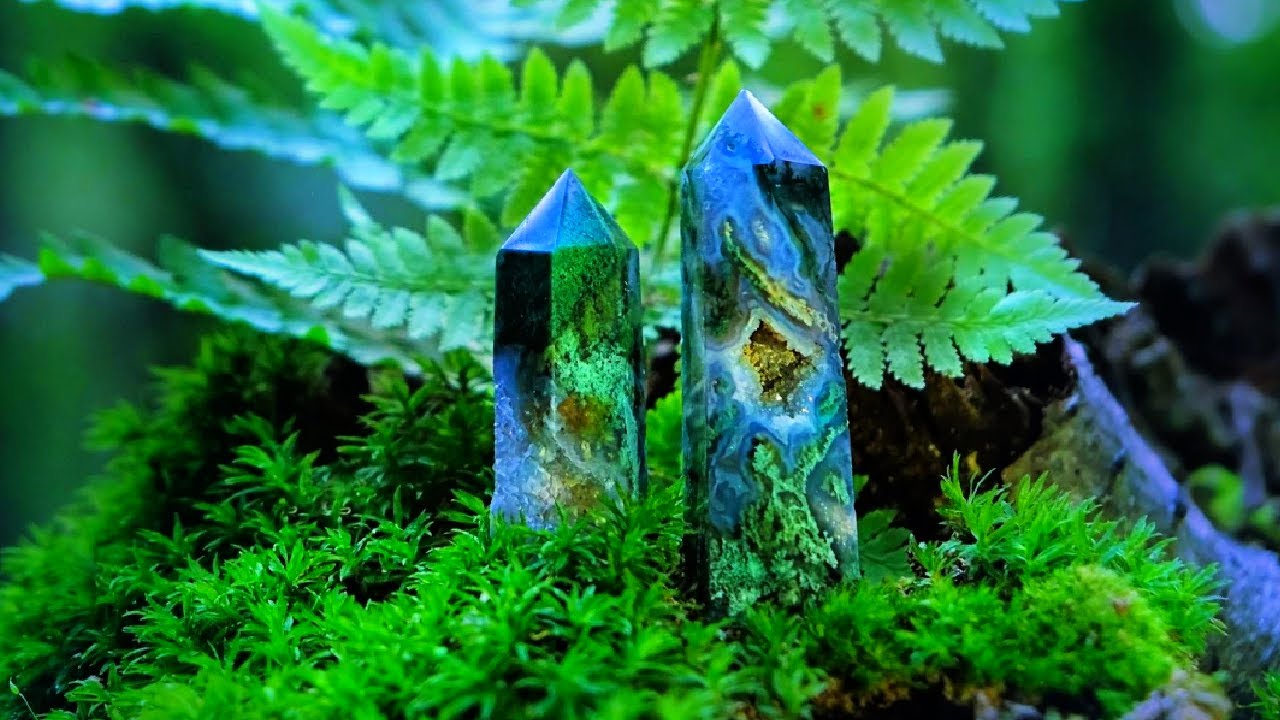
Chakra Healing: Concentrating on balancing and aligning the body's seven main energy centers. Crystal Healing: Making use of the distinct properties of crystals to channel and direct energy. Sound Healing: Utilizing sound vibrations to promote relaxation and energetic balance. Pranic Healing: Clearing obstructed energy utilizing specific hand motions and breathwork.
By exploring these different techniques, people can discover an energy healing practice that resonates with them personally.
FAQs
1. What is energy work?
Energy work refers to a broad variety of practices that involve channeling and manipulating vital force energy for recovery functions. This can consist of methods such as reiki hand positions, chakra recovery, crystal healing, and more.

2. How does energy work promote healing?
Energy work promotes healing by bring back balance and harmony within the body, mind, and spirit. By dealing with energetic imbalances or clogs, professionals are able to support the body's natural recovery processes.
3. Can anybody learn energy work?
Yes, anyone can learn energy deal with proper training and practice. It is a skill that can be developed over time, enabling people to become proficient in carrying and manipulating https://squareblogs.net/ellachxscz/tracing-the-evolution-of-reiki-from-mikao-usui-to-modern-masters energy for healing purposes.
4. Are there any threats related to energy work?
Energy work is typically considered safe and non-invasive. Nevertheless, it is important to look for training from a trustworthy practitioner or instructor to ensure proper method and understanding of energetic boundaries.

5. For how long does it require to see results from energy work?
The timeline for experiencing arise from energy work can vary depending upon the private and the particular issue being dealt with. Some individuals may observe immediate improvements, while others may require numerous sessions before substantial modifications are observed.
6. Can energy work be used along with conventional medical treatment?
Yes, energy work can complement traditional medical treatment by supporting the body's natural healing procedures. It needs to not be used as a replacement for treatment however rather as an additional tool for general wellness.
Conclusion
The art of energy work uses individuals a powerful ways of promoting physical, psychological, and spiritual well-being. Through practices such as reiki hand positions, the use of symbols, and exploring various methods of energy healing, people can tap into the universal life force energy to bring back balance and consistency within themselves. Whether you are interested in ending up being a specialist or seeking individual recovery, accepting the art of energy work can be a transformative journey towards holistic wellness.
Remember to method energy work with an open mind and heart, honoring the power of this ancient recovery practice. With commitment, training, and practice, you too can find out how to funnel and manipulate energy for healing.